
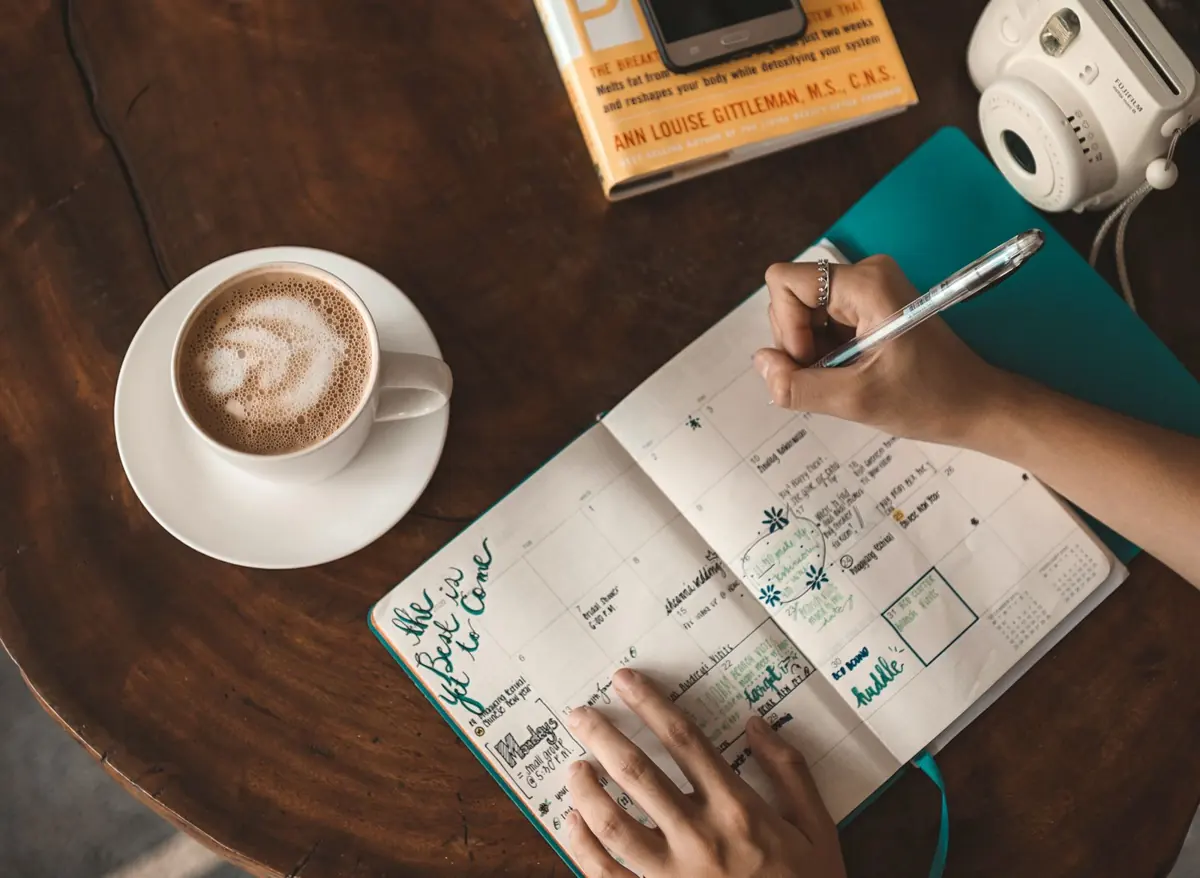
Full of energy and determination, you start your working day at home. You have a few important things you want to tackle today, and you are looking forward to it. You get started, but are interrupted a few times: the children come home from school, the postman rings the bell, a client has an urgent question. Since you've stopped anyway, you quickly put the washing on… What were you doing again? The end of the working day is fast approaching. What happened to the clock? Your most important task is still not finished. Maybe work another hour this evening, or send an email while dinner is on the stove? Sound familiar?
The art of working from home successfully
Depending on your situation, working from home affects your focus. For some it is a relief: no disturbing noises and unexpected interruptions like at the office. For others it is a new exercise in focus. The art of working attentively and resisting all distractions can make the difference between a successful, engaged working day and a day full of hassle.
A fact about focus
Every interruption pulls you out of your focus, whether it is a question from your partner or child, a phone call or a message. And it takes time before you are working with the same attention again. Research by Gloria Mark of the University of California shows that after an interruption, people need about 23 minutes on average to return to their original task. Mark et al. People who are interrupted often work faster to make up for it, but experience more stress and time pressure as a result. Mark et al.
Your not-to-do list
How do you increase the chance of looking back with a sense of satisfaction at the end of the day? Set goals at the start of the day. Choose one to at most three tasks that you definitely want to have finished by the end of the day: your top 3 for the day. Put all other tasks on your not-to-do list. Achieved your goals and still have some working day left? Great, then as a bonus you take an extra task from your not-to-do list. Specific goals work: according to the goal-setting theory of Edwin Locke and Gary Latham, people perform better with specific, challenging goals than with a vague 'do your best'. Locke & Latham
Awareness is the first step
Still not quite managing to give your full attention to your top 3? Then make a list of everything, and really everything, you did during your working day. Mark the tasks that really contributed to your goal. What do you notice? What will you do differently tomorrow?
Laser focus on, frog for breakfast
Plan your most important task for the time of day when you feel sharpest. For some that is the start of the day, for others later. Know yourself. Pick up that task, even if it is not the task you most feel like doing. With 'eat the frog', eating the frog first, you avoid procrastination. Behind procrastination there is often a fear of failing at the important tasks. Distracting yourself with less important and easier jobs is then a popular, but not very successful, strategy.
Unfocus for maximum results
Every successful athlete knows the secret of effort and recovery. That applies to you during your working day too. To work with full attention and still have energy left at the end of the day, you need to take regular breaks, so body and mind can recover. Take the time to leave your workspace, eat and drink and go for a walk.
The real secret lies in regular microbreaks. Our focus works like an elastic band: if it is constantly stretched, at some point it snaps. A microbreak takes the tension off for a moment. A meta-analysis of 22 studies showed that short breaks of ten minutes or less give you more energy and make you less tired. Albulescu et al. Now and then, consciously choose open attention instead of laser focus.
5 tips for an effective microbreak
- Preferably take a microbreak every hour. It only lasts a short time: half a minute to five minutes at most.
- Stand up and move. Walk a few brisk steps or take the stairs, do stretching exercises for your shoulders or swing your arms. That gets your circulation going again.
- Breathe in and out deeply. During focused computer work, your breathing quickly becomes shallow. Breathing deeply a few times helps you relax.
- Close your eyes and blink consciously a few times. Research shows that we blink much less often while reading and doing screen work than during a conversation. Research on blinking Blinking consciously and briefly closing your eyes gives them rest.
- Go for open attention. Don't take in new information during your microbreak: you are offline for a moment. Think of staring out of the window, meditating, or drawing doodles or colouring.
Also read: staring into space now and then is not so crazy after all.
About this article: this piece is based on a blog by Julia Eisele.