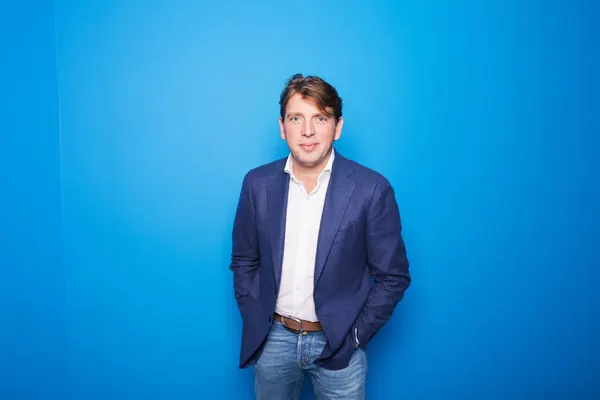
The world is changing at breakneck speed and challenges us to keep learning, growing and staying relevant. Social entrepreneur and Everest climber Niels van Buren knows better than anyone what it means to stretch yourself and step out of your comfort zone.
In 2016, he became the first man with MS to reach the summit of Mount Everest. Niels van Buren Niels looks back on that achievement with pride and a touch of nostalgia. It took three years of preparation and brought a lot of uncertainty every single day. "I can hardly imagine that I pulled it off. So much training, two months away from home, and barely any oxygen at minus thirty in a tent more than eight kilometres up. A stark contrast with the lovely warm bed I wake up in every morning now."
A climb with impact
MS made climbing the highest mountain in the world extra hard, while that climb is no easy task even for healthy people. "A number of expedition members died, so I will always think back on this climb with mixed feelings," says Niels. "The expedition made a big impact and gave me an enormous amount of self-confidence. I thought: if I can do this, I can handle anything. It also made me think, and decide to do what I really find important and enjoyable."
With his foundation Mission Summit, he raises funds for new scientific research into MS. Swink
Creating meaningful jobs
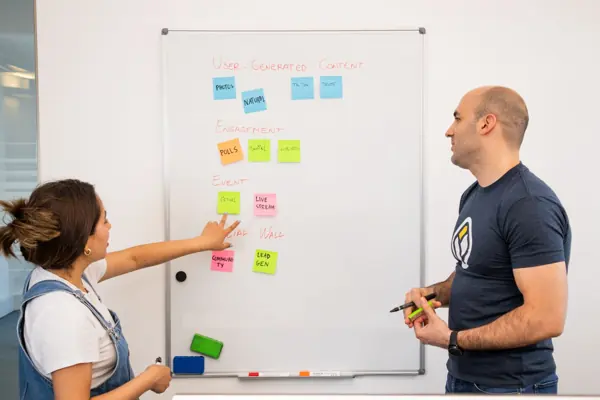
Niels is managing director of Swink, a company that helps organisations make their websites and digital services accessible to everyone. Around 70% of the team has autism. Swink According to Niels, people with autism still often work below their level, while their talents are a great fit for specialist digital work. "The fact that, together with our clients, we can create meaningful jobs for them makes me proud."
Learning to accept leads to growth
Niels also gives talks about dealing with setbacks, reaching ambitious goals and pushing boundaries. "Everest and MS have made me grow enormously. That incurable disease has a thousand faces and can show itself at any moment, so you can never really prepare. After the first relapse, I was thrown for a month. Slowly those periods became shorter, because I learnt to surrender to it and accept it."
Niels sees that as a very valuable skill. "If you can turn an unpleasant situation around by finding out what the point of it is, you can grow quickly." That way, a setback can easily become the start of something new.
Stretching yourself
"I don't literally get better," Niels laughs, "but I do everything I can to improve myself a little every day. I am very goal-oriented and always look at how far I can stretch myself. Otherwise you don't train for three years for one climb. I have several coaches, read a lot of philosophy and management books, spar with friends and family and like to introduce new methods at work, such as the Rockefeller Habits."
Find their user manual
"I also like being connected to other people and try to help them move forward. With my employees, I do that by adapting the work to the person as well as possible and talking with them. What do you need? Do you want to work from home? Do you want to plan your own day? By finding out everyone's user manual, you can make the best use of their talent and support them as well as possible."
A minority as a strength
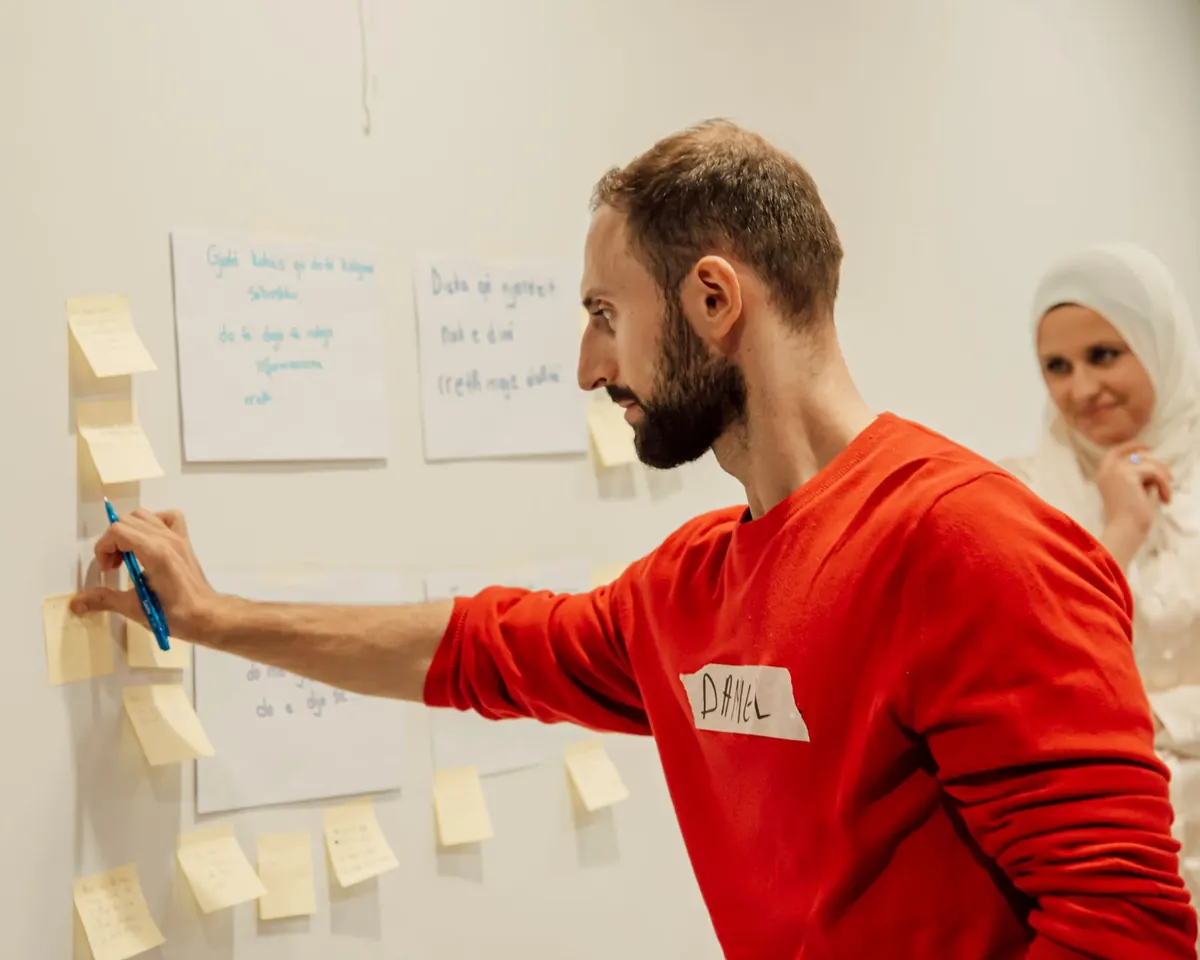
Niels strives for an open working environment in which everyone can be themselves and feels free to share vulnerabilities and stories. "I also invest in their personal growth, with coaching and support, and with care when things are tough for a while." That is sometimes necessary, because as a minority, people with autism don't always feel understood. Just because they are different. "I keep stressing that their so-called limitations are actually a strength. They have an eye for detail, can focus well and work in a structured way. That is something to be proud of!"
An environment in which people feel safe to be themselves makes teams stronger. Read more about it in more effective teams through psychological safety.
Still plenty to learn
Niels is an engaged social entrepreneur with a lot of life experience who, in his own words, still has plenty to learn. "I am very good at setting goals. My challenge is learning to enjoy the process. When I look back on the Everest expedition, I learnt much more from, and had much more fun in, the preparation than in that one moment on the summit. I have made room in my weekly schedule to be with my daughter on a weekday. She teaches me to be in the moment and to look around me now and then. Because yes, it is a cliché, but it is so true: time flies!"